
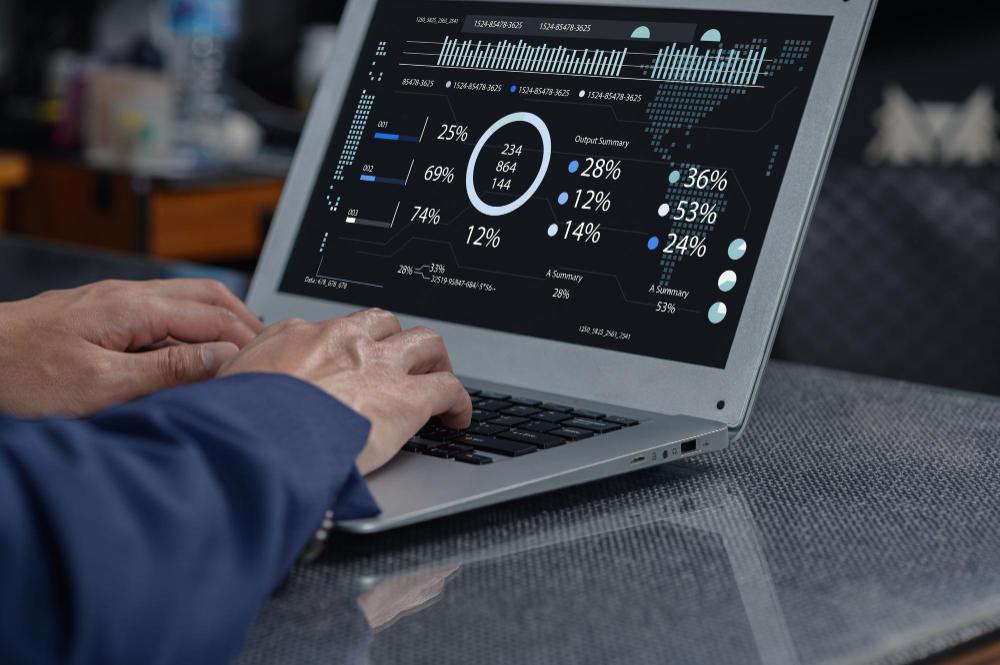
In the rapidly evolving landscape of modern enterprise, the operational integrity of computing systems is paramount. Organizations rely on complex networks of devices, from individual workstations to intricate server infrastructures. Maintaining peak performance and promptly addressing anomalies across this diverse ecosystem presents a significant challenge for IT departments.
The rise of distributed work models and geographically dispersed teams has amplified the need for innovative solutions. Traditional on-site diagnostic methods are often time-consuming and resource-intensive, leading to delays in issue resolution. This inefficiency can directly impact productivity, necessitating a more agile and efficient approach to system maintenance.
Remote PC diagnostics emerges as an indispensable tool. It enables IT professionals to assess, troubleshoot, and resolve system errors and performance bottlenecks from any location. This fundamentally transforms technical support, allowing consistent system health without physical presence and ensuring continuous business operations.
The core objective is to proactively identify and mitigate potential issues before they escalate into critical failures. This includes pinpointing software conflicts, detecting early signs of hardware degradation, analyzing network impediments, and identifying resource-heavy applications. Such foresight is crucial for stable and efficient operational environments.
For organizations, embracing robust remote diagnostic capabilities translates into tangible benefits: reduced downtime, optimized IT resource allocation, and enhanced end-user experience through quicker problem resolution. These efficiencies significantly contribute to maintaining a high level of operational effectiveness, a core offering from InfoPCToG.
Key Applications and Considerations
-
Corporate IT Management: Centralized monitoring for workstations and servers. Pros: Scalability, reduced on-site needs. Cons: Network reliability is crucial, data security protocols are paramount.
-
Technical Support Services: Efficiently resolving user issues. Pros: Quicker resolution, expanded service reach. Cons: Relies on user input, limited access for deep hardware fixes.
-
Specialized Industrial Systems: Diagnosing remote machinery. Pros: Reduces hazardous field visits. Cons: Requires specialized integration and resilient network infrastructure.
Expert Perspectives and Evolving Strategies
A key debate involves agent-based versus agentless remote diagnostic tools. Agent-based solutions offer deeper insights but introduce deployment complexities and security concerns. Agentless methods are simpler, relying on network protocols, but often provide less granular data. Choosing the right approach depends on specific organizational needs and security postures.
The integration of artificial intelligence and machine learning is rapidly transforming diagnostics. Experts foresee AI moving beyond simple anomaly detection to predictive analysis, identifying patterns indicating impending failures. Automated troubleshooting routines, powered by ML, are also becoming more sophisticated, handling routine issues efficiently.
Security remains paramount. Transmitting sensitive system data remotely necessitates robust encryption, multi-factor authentication, and strict data governance. Organizations must implement secure protocols to prevent unauthorized access. The integrity and confidentiality of information are non-negotiable, requiring continuous vigilance.
Despite automation, the human element in remote diagnostics is critically important. While AI processes vast data, the ability of an experienced technician to interpret nuanced symptoms, understand user context, and devise creative solutions for complex problems remains irreplaceable. Human expertise provides judgment and adaptability that machines currently lack, advocating for a hybrid approach.
Concluding Thoughts and Recommendations
Remote PC diagnostics is now indispensable for modern IT. Its ability to swiftly identify and resolve system errors and performance issues, regardless of location, is key to operational fluidity and minimizing disruptions. Such investment is crucial for organizational resilience.
Organizations must prioritize robust remote diagnostic strategies. Integrating advanced tools with expert human analysis, as offered by InfoPCToG, ensures optimal system health, enhanced productivity, and a stronger foundation for sustained operational excellence in today's dynamic digital landscape.
Leave a comment